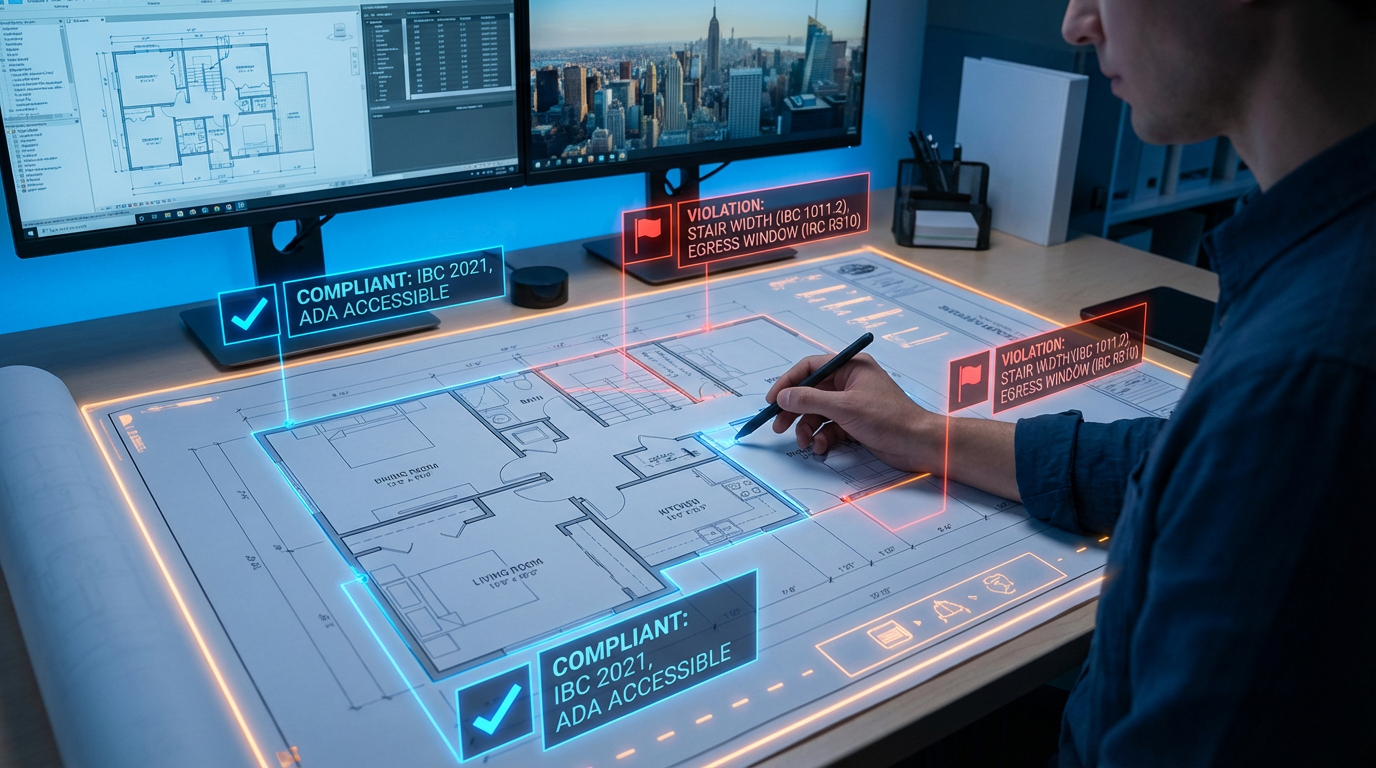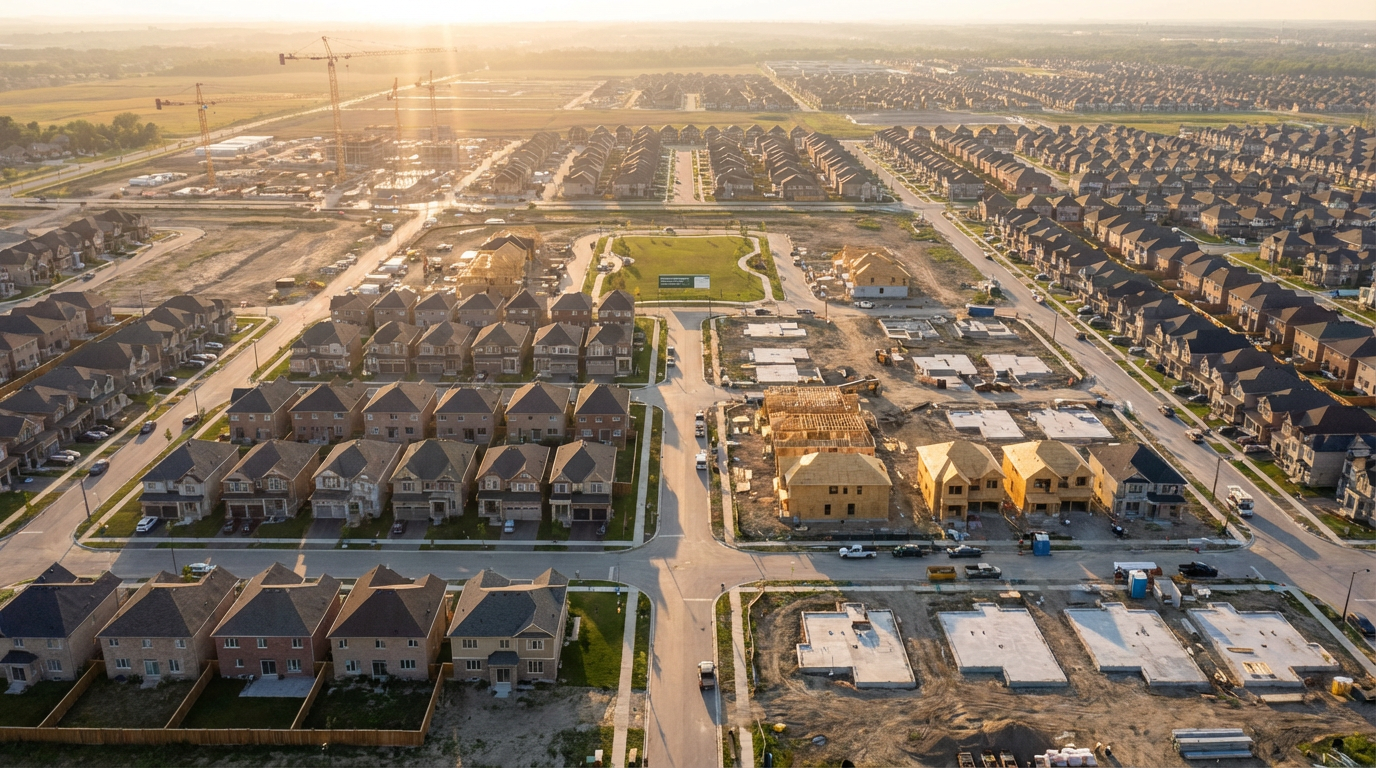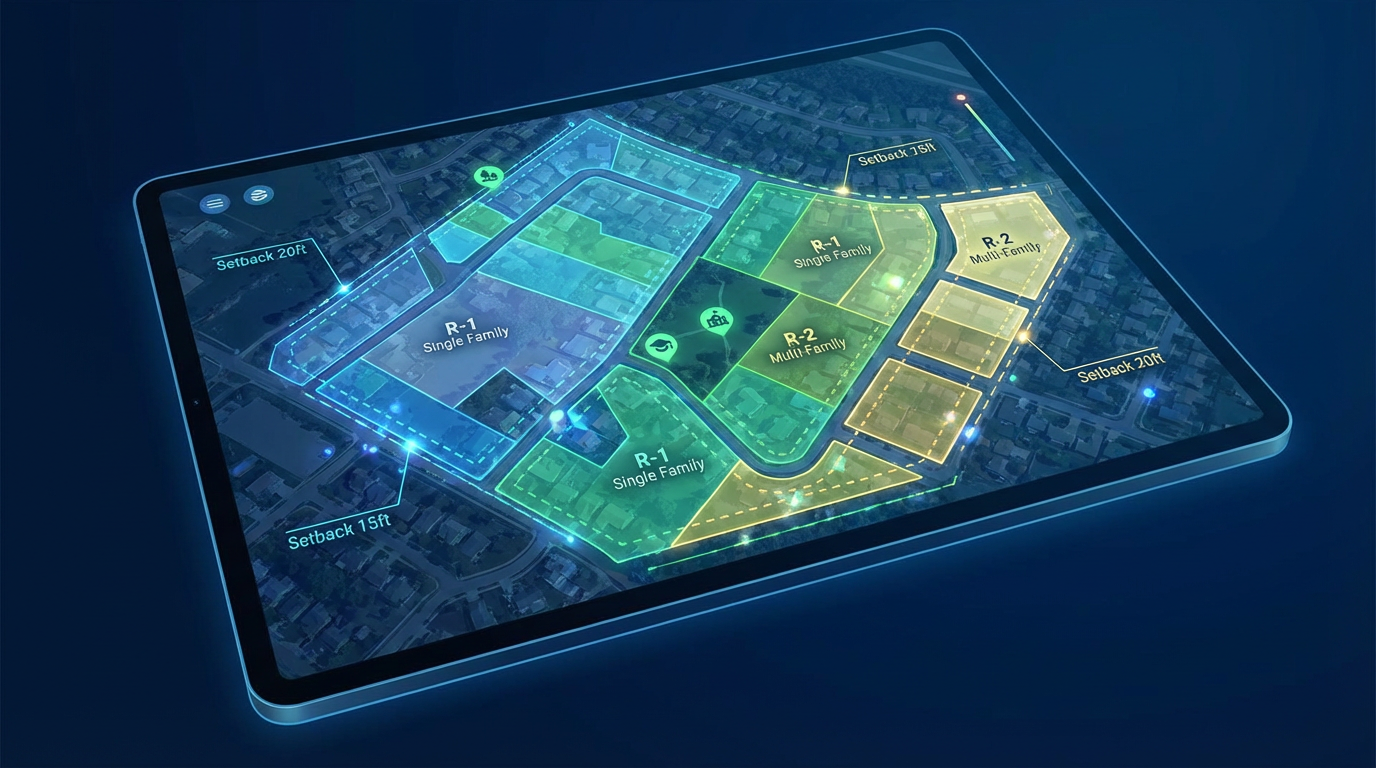
Zoning codes are the invisible architecture of American housing. They dictate what you can build, where you can build it, how tall it can be, how far from the property line it must sit, and whether your neighbor can park an RV in their driveway. There are more than 30,000 zoning jurisdictions in the United States, each with its own rules, exceptions, overlays, and interpretive traditions. For decades, decoding this patchwork has required expensive consultants, weeks of municipal research, and a law degree’s worth of patience. Now AI is reading the entire corpus in seconds.
The Platforms Decoding the Patchwork
Deepblocks has digitized zoning codes across more than 200 US cities, letting users filter thousands of parcels by development criteria, view detailed setback and height regulations, and generate 3D massing models with integrated financial projections — all in minutes rather than the months a traditional feasibility study requires. The platform automates the entire pre-construction workflow from site selection through zoning analysis, turning what was once an art practiced by experienced land-use attorneys into something closer to a database query.
FutureLot (formerly TheBuilder AI) has taken a different approach, targeting the residential and ADU market specifically. Selected for the Startup Zone at the 2026 International Builders’ Show, FutureLot delivers instant, lot-specific zoning analysis for builders evaluating whether a given parcel can support an accessory dwelling unit. In Massachusetts alone, the platform is helping builders navigate the state’s new ADU-friendly legislation — a law that took effect in February 2025 — by instantly calculating what’s buildable on any lot.
Envelope focuses on the vertical dimension: given a parcel, it computes the maximum buildable envelope under current zoning — factoring in setbacks, FAR (floor area ratio), height limits, and shadow regulations — then visualizes it as a 3D shape. Architects can start designing inside the legal volume from day one rather than discovering constraints months into the process.
The ADU Explosion
The timing is critical. California permitted more than 24,000 ADUs in 2023 — more than doubling its 2020 numbers — with projections showing a minimum 10% annual increase. Nationwide, 627 counties issued at least 100 ADU permits since 2018. States including Massachusetts, Oregon, Washington, and Montana have passed legislation preempting local single-family zoning restrictions, creating a wave of newly buildable lots that homeowners don’t yet know they have.
This is where AI zoning analysis creates real economic value. A homeowner in San Jose might be sitting on a 6,000-square-foot lot that — under the city’s updated ADU ordinance — could support an 800-square-foot detached unit renting for $2,500 a month. But they don’t know that, because reading the municipal code requires understanding setback calculations, lot coverage ratios, and utility connection rules that vary block by block. FutureLot or Deepblocks can surface that opportunity in under a minute.
The Political Dimension
AI zoning tools don’t just help individual homeowners. They create transparency that reshapes policy debates. When a platform can instantly calculate how many housing units a city’s zoning theoretically allows versus how many actually exist, it exposes the gap between rhetoric and reality. Cities that claim to support housing growth while maintaining restrictive overlays and conditional-use requirements get caught by the data.
“Zoning has always been a tool of exclusion dressed in the language of planning. AI doesn’t care about the dress — it just reads the math.”
The flip side is real: algorithmic zoning optimization raises concerns about displacement, gentrification, and the commodification of neighborhoods. If AI identifies every undervalued lot in a historically Black neighborhood as ADU-eligible, and investors armed with that data arrive before residents, the tool accelerates exactly the harm that zoning reform was supposed to prevent.
What This Means for Your Build
If you’re considering an addition, an ADU, or buying land to build on, start with AI zoning analysis before you hire anyone. Deepblocks, FutureLot, and Envelope can tell you in minutes what a consultant would charge $5,000–$15,000 to determine over several weeks. You’ll know your setbacks, height limits, lot coverage, and FAR before your first architect meeting.
But remember: these tools read the code as written. They can’t predict the discretionary decisions of a planning commission, the political dynamics of a neighborhood association, or the informal norms that make some jurisdictions friendlier than others. AI decodes the law. It doesn’t decode the politics.
The code doesn’t care about your timeline. But at least now you can read it in seconds instead of months.